How USB-C Is Quietly Transforming Everyday Carry And Repair Culture
2026-08-24
Keywords: USB-C, tech gadgets, sustainability, right to repair, data privacy
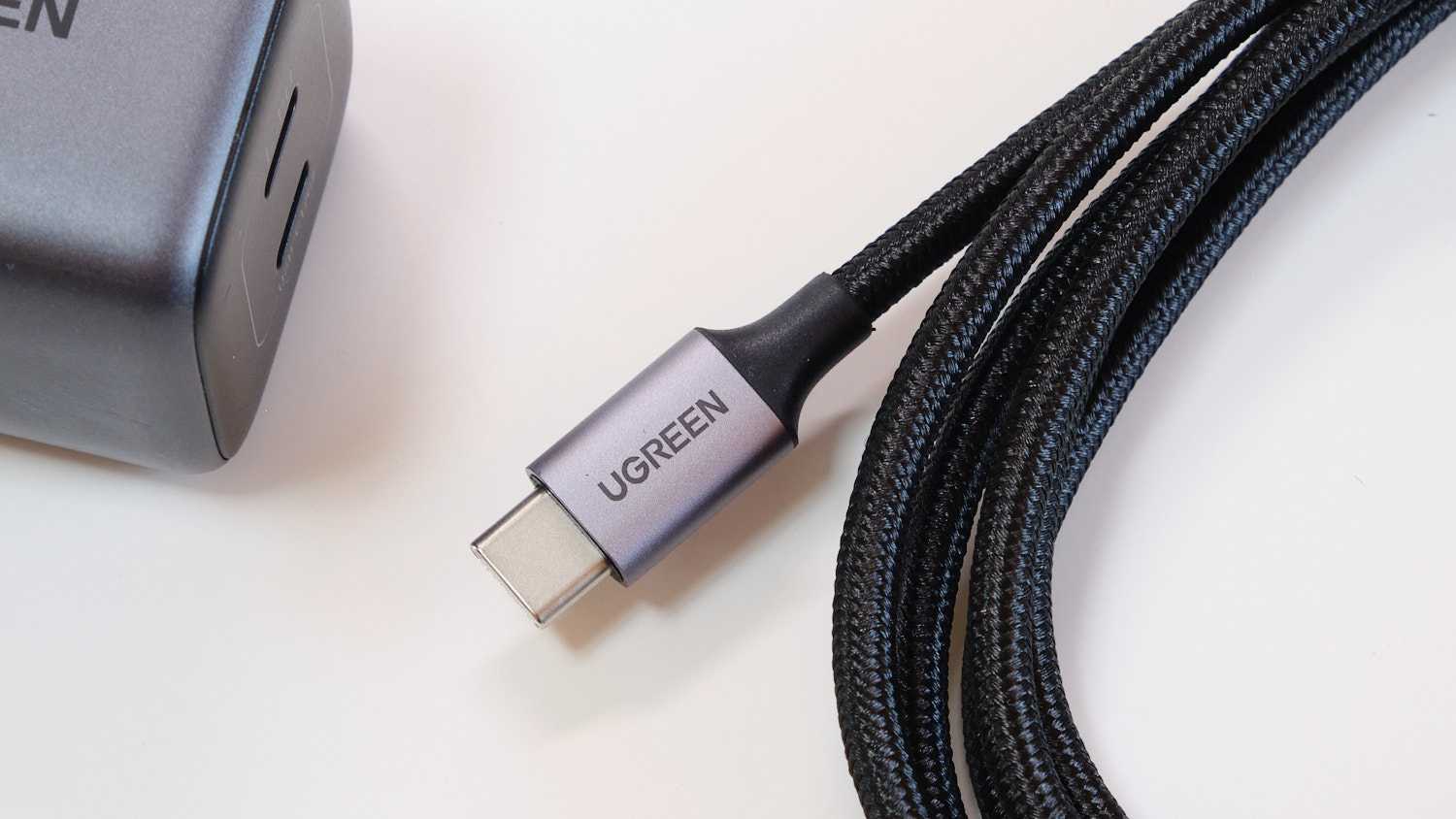
Tech users have grown tired of tangled legacy cables that no longer fit modern devices. The broad adoption of USB-C has simplified connections across phones, laptops and tablets. Yet this standardization is also fueling an unexpected side effect: a steady stream of specialized accessories that turn the port into a platform for everything from emergency repairs to personal comfort.
Standardization Opens Doors To Practical Innovation
Policy moves such as the European Union mandate have accelerated the move away from proprietary plugs. The result is more than fewer chargers. Manufacturers now design compact, rechargeable gadgets that draw power from the same cables users already carry. This reduces immediate clutter but invites a deeper look at long term consumption patterns. Each new device adds to the pool of electronics that must eventually be recycled or discarded.
Tools That Encourage Self Reliance
Electric screwdrivers shaped like pens and fitted with dozens of precision bits plus built in lights demonstrate the trend. These instruments can drive hundreds of screws on a single charge and support users who maintain their own computers or gadgets. They tie into wider right to repair efforts that push back against disposable design. Still, questions remain about component quality in lower cost models and whether the tools will remain functional years from now when replacement parts become scarce.
Similar logic applies to small inspection cameras that plug directly into a phone. With lengths over 16 feet, waterproof construction and attachments like magnets or hooks, they let owners check for lost items behind furniture, diagnose car issues or examine pipes without calling professionals. The convenience is clear. At the same time, the required companion apps create another point of data exchange that users must evaluate for privacy protection.
Power And Comfort Solutions In A Mobile World
Pocket sized power banks with foldable connectors and secondary ports address the constant risk of a dead phone. A 5000 milliamp hour capacity delivers a full charge in a pinch without adding much weight. On the comfort side, rechargeable hand warmers with temperature sensors offer up to 20 hours of heat and come in varied colors. Both examples show how one connector type can support items once considered unrelated to computing.
Even basic flashlights have been refreshed. Compact USB-C versions slip easily into any bag and eliminate the need for separate batteries or chargers. Together these products suggest a future where a single cable handles an expanding list of tasks.
Environmental Gains Versus New Consumption Risks
Fewer cable types should cut down on electronic waste over time. Yet the growing catalog of USB-C gadgets could offset those gains if buyers treat them as disposable novelties. Many of these devices retail for under 60 dollars, which often signals compromises in durability. Without transparent data on failure rates, it is difficult to judge their true environmental footprint.
Security And Regulatory Gaps Remain
Any USB device that connects to a phone or laptop carries theoretical risks of unauthorized data access. While most consumer gadgets focus on legitimate functions, the ecosystem lacks uniform security standards. Regulators have concentrated on charging speeds and charger compatibility but have paid less attention to the software that accompanies cameras and diagnostic tools.
Longevity is another open issue. Will the temperature control chips in hand warmers or the LED systems in screwdrivers continue working after hundreds of cycles? Early evidence is anecdotal. Independent testing has not yet caught up with the pace of product releases.
What The Trend Signals For Future Design
The USB-C wave points toward a more modular approach to personal technology. Users gain flexibility and reduce frustration. At the same time the market risks encouraging habitual upgrades rather than thoughtful ownership. Distinguishing between genuine problem solving devices and clever but unnecessary additions will require more critical consumer awareness and stronger transparency from makers.
As the connector becomes truly universal, its most lasting impact may lie in forcing a broader conversation about how we balance convenience, repairability and responsibility in everyday tech.