Honor's Mechanical Leap: What the New Gimbal Phone Means for Smartphone Design
2026-08-12
Keywords: Honor, gimbal phone, smartphone design, mobile photography, mechanical innovation, China launch
A break from software only camera improvements
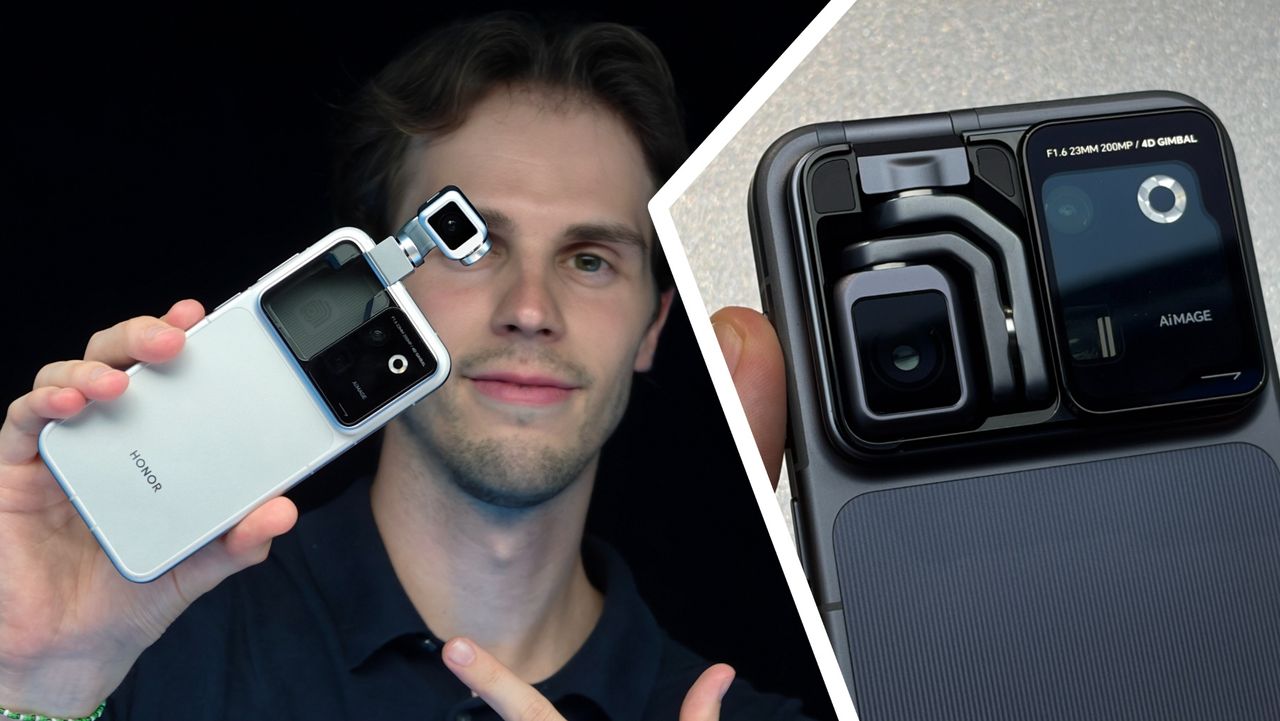
Smartphone makers have spent years refining image processing through algorithms and AI to deliver better photos and videos. Honor has chosen a more tangible route with its newly launched device in China. The phone houses a miniature gimbal that unfolds from the rear to support the primary camera. This hardware addition sets the product apart in a crowded market where most competitors chase incremental gains in computational photography.
Stabilization gains and creative possibilities
The compact mechanism which Honor calls the smallest of its kind offers physical image stabilization that can outperform digital alternatives in many scenarios. Users may benefit from steadier handheld video and clearer shots in low light or while moving. For creators who often pair phones with separate stabilizers this built in solution reduces the need for extra gear. Early tests indicate it delivers fluid results that feel distinct from typical phone cameras.
Still the design adds noticeable thickness to the handset. This bulk could deter buyers who prioritize slim profiles and pocket friendly devices. The real test lies in whether the camera improvements justify the trade off for a wide audience.
Durability risks in a device with moving parts
Any mechanism that extends and rotates introduces new points of potential failure. Previous phones with pop up components faced criticism over long term wear dust intrusion and repair complexity. Honor has engineered this gimbal to be robust but questions linger about its resilience in daily life or after accidental drops. Repair expenses might exceed those of standard models if the system malfunctions.
These concerns matter in a regulatory environment where consumer protection standards around electronics reliability continue to evolve. Manufacturers must consider how such features affect product lifespan and environmental impact through increased material use and eventual waste.
Industry signals and competitive responses
This launch highlights a split in innovation strategies. While some brands double down on software enhancements Honor is experimenting with mechanical integration that echoes dedicated cameras and stabilizers. Success in China could push rivals to revisit hardware experiments they had largely abandoned in favor of sleek slab designs.
It also blurs boundaries between a smartphone and specialized tools like compact gimbals. The approach revives excitement around technology by offering something novel yet it remains uncertain if the appeal will extend beyond enthusiasts or remain a regional curiosity.
Key uncertainties ahead
Details on international availability battery demands from the motorized system and exact pricing have not been fully outlined. How developers might build apps or features around the gimbal also stays unclear. Observers will watch whether the device proves a one off experiment or the start of a broader trend toward more complex phone hardware.
In the end Honor has produced a phone that stands out through engineering ambition. Its ultimate value will depend on balancing those innovations against the simplicity and dependability consumers expect.