Affordable AI Hardware Through Refurbished Channels Raises Questions on Access and Longevity
2026-08-11
Keywords: refurbished laptops, AI PCs, tech affordability, Acer Aspire, sustainable computing, student devices, Intel Core Ultra
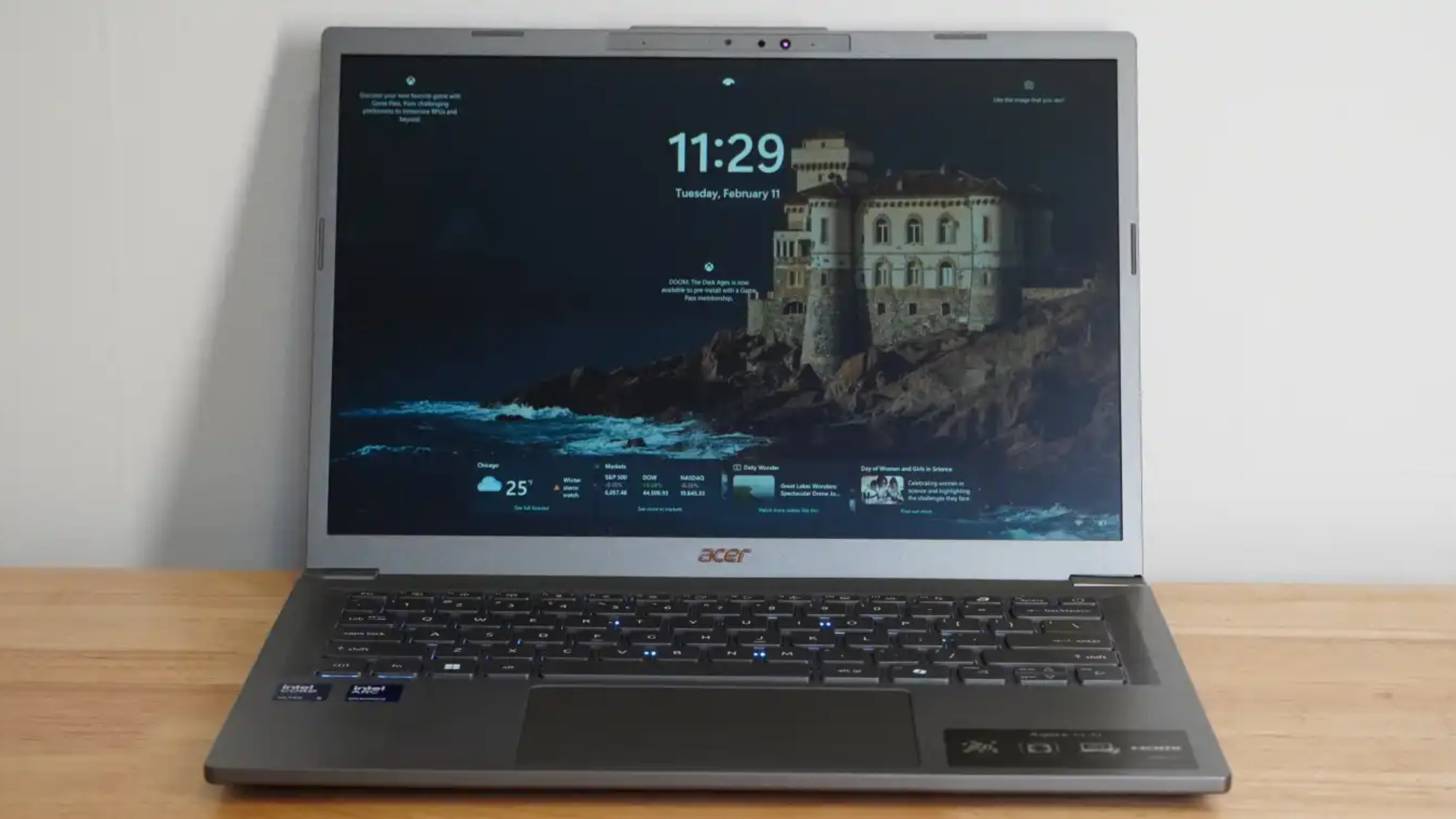
In an era where artificial intelligence capabilities are marketed as essential for new computers, many families and students still struggle to afford machines that meet basic performance requirements. The availability of refurbished models with strong specifications at lower prices provides one workaround, yet it also exposes deeper issues in the technology market and how AI tools are positioned for everyday users.
The Persistent Affordability Gap for Education
Back to school periods have long tested household budgets, but recent trends show laptop prices climbing even as component costs for memory and storage fluctuate. A refurbished Acer Aspire 14 AI model equipped with an Intel Core Ultra 5 processor, 16GB of DDR5 RAM, and 1TB SSD brings capabilities that were midrange only recently into a far lower price bracket. At roughly 400 dollars following discounts, it demonstrates how secondary markets can bridge gaps that new product lines leave unaddressed.
Breaking Down the Technical Package and Its Limits
This configuration includes integrated graphics and a touchscreen, along with a generous port selection covering USB C, USB A, HDMI, and MicroSD options. Battery performance reaches about 20 hours in video tests, which typically means eight to 12 hours for standard tasks such as browsing and document work. However, the soldered RAM means no upgrades are possible down the line, locking users into the current setup. For those needing a reliable daily driver without intensive creative or gaming demands, the hardware aligns well, but expectations should remain grounded.
AI Capabilities Meet Educational Realities
Intel's Core Ultra series brings certain on device AI processing potential, yet it remains unclear how much value this delivers in typical student scenarios. Local AI functions often require at least 16GB RAM to run effectively, a threshold this laptop meets. Still, many classroom applications continue to rely on web based tools or established software rather than advanced generative features. This mismatch between marketing claims and practical needs deserves more scrutiny from both educators and policymakers to avoid pushing unnecessary expenses onto families.
Warranties, Risks, and the Refurbished Equation
One notable aspect of offerings from Acer's official channels is the two year protection included, surpassing what some new budget laptops provide. Coverage through a third party like Allstate introduces variables in claim processes and support quality compared to direct manufacturer backing. While refurbished units undergo testing, questions linger about long term durability versus brand new alternatives. Buyers must weigh these factors against the savings, especially when component values alone for RAM and storage can rival the total purchase price.
Sustainability Gains and Market Implications
Greater emphasis on officially renewed devices could ease environmental pressures by keeping functional hardware in circulation longer and reducing demand for raw materials. Programs selling through platforms like eBay signal manufacturers taking some responsibility for product lifecycles. In 2026, with AI PCs becoming normalized, this approach might help democratize access but only if quality controls and consumer trust keep pace. Unanswered questions include whether such inventory will scale sufficiently and if it will influence pricing strategies for new releases.
Ultimately, while attractive deals in the refurbished space offer immediate solutions, they also reflect systemic challenges in tech pricing and feature prioritization. Informed consumers should assess their specific requirements carefully rather than assume all AI labeled hardware translates to meaningful advantages. As the academic year ramps up, these dynamics will likely shape purchasing decisions and spark further debate on equitable technology distribution.