Vulnerabilities in BitLocker Reveal Broader Challenges for Built-In Security Features
2026-07-29
Keywords: BitLocker, Windows security, encryption vulnerabilities, data protection, TPM, physical attacks
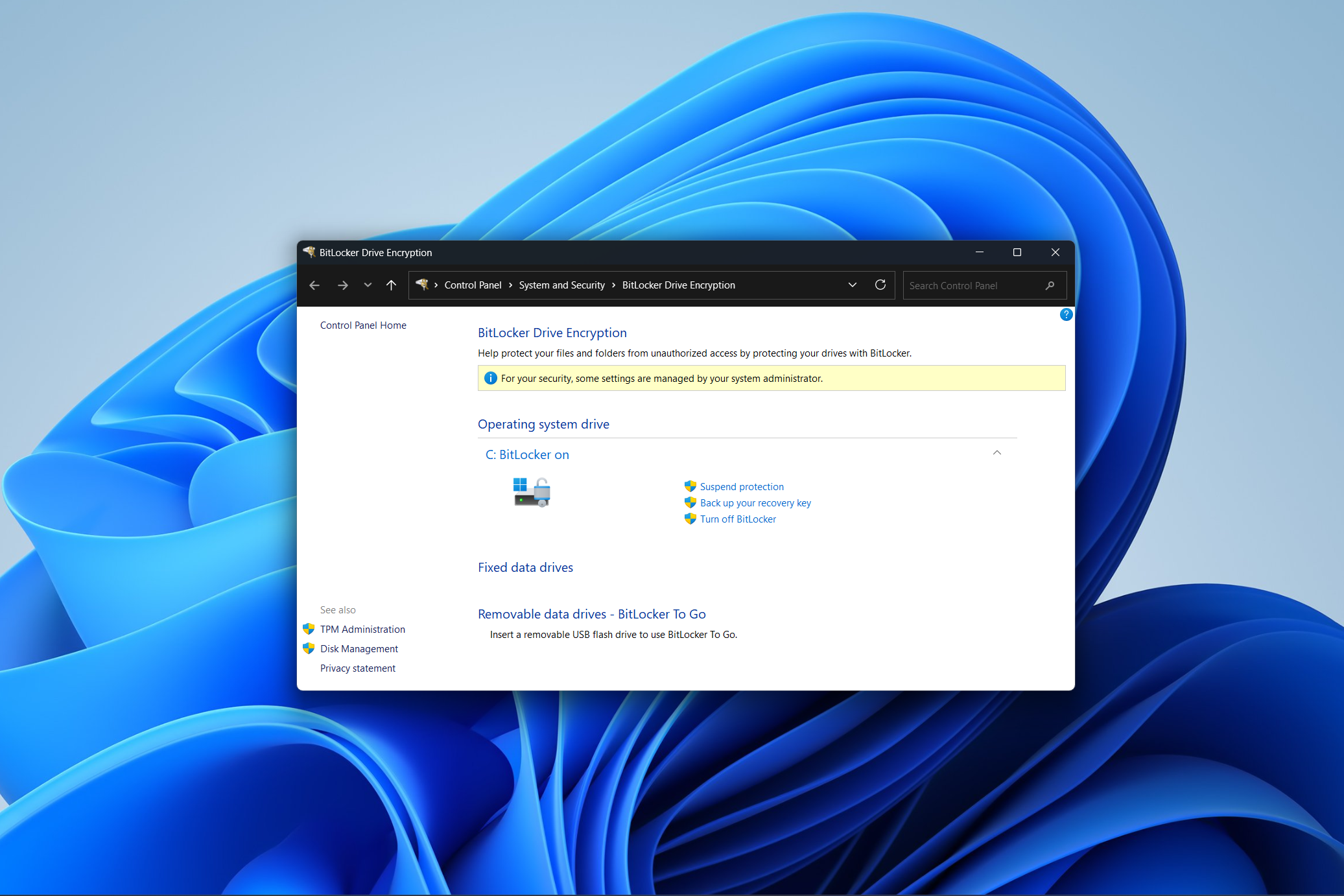
Physical Threats Expose Limits of Integrated Encryption
Security features built directly into operating systems promise simplicity and reliability. Yet the discovery of multiple ways to bypass BitLocker through direct hardware access has many in the tech community questioning how much faith to place in these defaults. The attacks require physical possession of a device but can unlock protected drives faster than expected without triggering alarms.
What the Flaws Actually Mean for Everyday Computing
Researchers identified techniques such as YellowKey and a later variant that circumvent the XTS-AES 128 bit scrambling when someone can manipulate the machine offline. Microsoft supplied mitigations that reduce exposure but stopped short of correcting the core architectural elements involved. This leaves lingering uncertainty about long term resilience against determined intruders who gain temporary control of a laptop or desktop.
For the majority of people the practical danger remains modest. Opportunistic thieves often prioritize quick resale over forensic data extraction. That calculation shifts for anyone carrying client contracts, health records or intellectual property where exposure could trigger legal or financial consequences.
Hardware Roots and the Recovery Key Problem
BitLocker ties encryption keys to trusted platform modules in the motherboard or firmware. One portion resides in hardware while another lives on the storage itself. Users must safeguard a recovery key separately either on external media in printed form or through online accounts. Home edition devices frequently default to cloud storage of that key creating an additional vector if Microsoft accounts face compromise.
Verification of those backups is essential. Many have learned the hard way that missing recovery options result in total loss of access even when hardware remains intact. This aspect receives less attention than the encryption strength itself yet proves equally critical in real incidents.
The Case for Combining Multiple Protection Layers
Effective data security rarely rests on a single mechanism. Pairing full disk encryption with targeted file level applications creates redundancy that addresses distinct failure modes. The operating system tool secures the entire volume when powered down while specialized programs keep individual documents protected even after login. This approach acknowledges that no vendor solution is immune to future discoveries.
Such combinations do introduce added complexity for setup and key management. However for material that truly requires shielding the overhead is justified. Enterprises have practiced defense in depth for years and individual users increasingly face similar expectations as remote work blurs boundaries between personal and professional devices.
Unanswered Questions About Vendor Accountability
These incidents raise larger issues around how software giants disclose and remediate weaknesses in foundational components. Will subsequent Windows updates deliver a permanent architectural correction or will users see only incremental patches? The absence of a full resolution also invites scrutiny over whether similar risks exist in other integrated security elements that receive less public examination.
Policy makers focused on data protection standards may need to revisit guidelines for consumer grade devices. Compliance regimes that assume built in encryption suffices could require updating to reflect observed limitations. Greater emphasis on user education about recovery practices and supplementary tools would help bridge the gap between marketed features and actual threat models.
Placing BitLocker in Perspective
The tool continues to deliver meaningful protection for typical scenarios and should not be disabled out of hand. Its presence raises the bar for casual attackers and integrates smoothly with modern hardware. At the same time treating it as a complete solution overlooks both its documented shortcomings and the evolving nature of physical attack surfaces. Informed users weigh these factors against their specific risk profiles rather than accepting default configurations without review.