REI Sale Exposes the Tradeoffs in Relying on Wearables for Backcountry Safety
2026-05-16
Keywords: REI sale, Garmin wearables, outdoor tech, satellite communicators, fitness trackers, data privacy, AI coaching
The Expanding Footprint of Connected Gear in Outdoor Retail
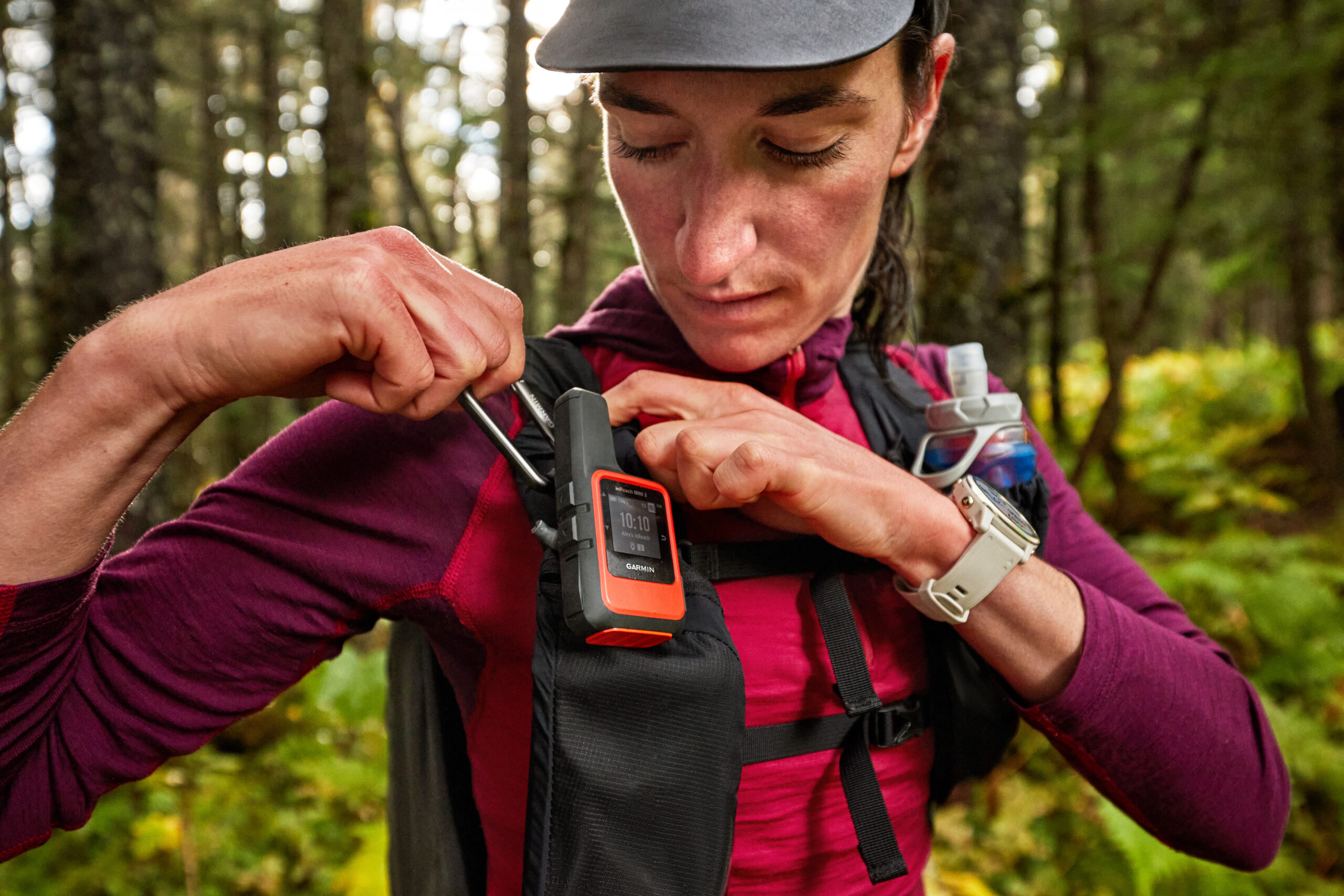
REI's anniversary sale has drawn crowds seeking deals on tents, sleeping pads and camp stoves. Yet the biggest attention has fallen on electronic devices that promise to change how people approach remote travel. From satellite messengers to multisport watches, these tools are now central to the retailer's pitch. The InReach Mini 2, praised for toughness that outstrips most phones, requires a subscription for full operation. That detail matters because it turns an upfront purchase into a continuing expense.
Health Sensors and AI Assistance Under Scrutiny
Discounted models such as the Garmin Fenix 8 bring microphones, speakers and on device voice commands along with long battery runs and dual frequency GPS. Lower priced options like the Amazfit Active 2 add built in GPS, extensive activity logging and chatbots that explain metrics to the wearer. The Venu 4 goes further by letting users record caffeine and alcohol intake while suggesting workouts drawn from sleep and recovery patterns. A scaled down Lily 2 Active version targets smaller wrists with added buttons and sport modes.
These capabilities sound useful for athletes and weekend explorers alike. Still, the accuracy of optical heart rate readings remains variable across brands. Pairing a chest strap such as the Polar H10 can improve reliability for serious training. Even so, none of these consumer products should be mistaken for clinical tools. Their suggestions on recovery or wellness rest on algorithms that cannot fully account for individual health histories or environmental stressors.
Subscription Models and Data Collection Risks
Many of the featured devices depend on cloud services or ongoing fees to unlock mapping, messaging or advanced analytics. That structure shifts the true cost of ownership beyond the sale tag. At the same time, the constant flow of location, biometric and behavioral data creates privacy questions that regulators have yet to resolve fully. Companies gain detailed profiles of user habits in the wild, but buyers receive limited transparency about how that information is stored, shared or monetized.
The membership angle adds another layer. Lifetime REI members can claim extra percentage discounts with a simple code, an incentive that ties shoppers more tightly to the ecosystem. While the tactic boosts short term sales, it also funnels more people toward devices that generate recurring revenue and data streams for manufacturers.
Real World Limits and the Need for Balanced Preparedness
Tech can extend range and confidence. Search teams have noted that satellite communicators help locate stranded hikers faster than in previous decades. Yet batteries drain, signals drop in deep canyons, and software glitches occur. When conditions turn severe, a dependable paper map, extra power banks and basic navigation knowledge still matter. The current wave of discounts may encourage newer users to head farther afield without building those foundational skills.
By 2026 the wearable market faces growing calls for clearer standards on sensor validation and data rights. Until those arrive, shoppers eyeing the remaining days of the REI event should treat these tools as supplements rather than guarantees. The bargains are real. The responsibilities that come with them deserve equal attention.