Chromebooks in 2026: Value Proposition Tested by Real World Limits
2026-05-15
Keywords: Chromebooks, Asus CX34, Google ecosystem, laptop performance, battery life, 2026 hardware, education tech
As economic pressures push more buyers toward affordable computing options, Chromebooks have solidified their place for students, remote workers and casual users who operate primarily within Google's services. Yet evaluations of leading models reveal a mixed picture where strengths in speed and design must be weighed against persistent shortcomings that could limit their appeal for power users or those needing all day reliability.
Ecosystem Lock In as Both Strength and Risk
Reliance on ChromeOS creates a streamlined experience that prioritizes cloud based applications and quick boot times. This approach works particularly well for education environments where shared devices and Google Workspace integration reduce administrative overhead. However it also raises concerns about data privacy and dependence on stable internet connections. In regions with unreliable broadband users may find themselves restricted in ways that traditional offline capable systems avoid.
Performance Gains in Select Models
The Asus Chromebook Plus CX34 stands out for its Intel Core i5 processor that handles multitasking web applications streaming and document work without noticeable lag. Such capability demonstrates how far Chromebooks have come from their early days as limited web terminals. When paired with adequate RAM these machines can support dozens of browser tabs making them viable for many professional workflows.
Yet the same tests indicate that more intensive local processing tasks still expose limitations compared to similarly priced Windows machines. This gap becomes relevant as software increasingly incorporates on device AI features that demand greater hardware resources.
Connectivity Choices That Matter
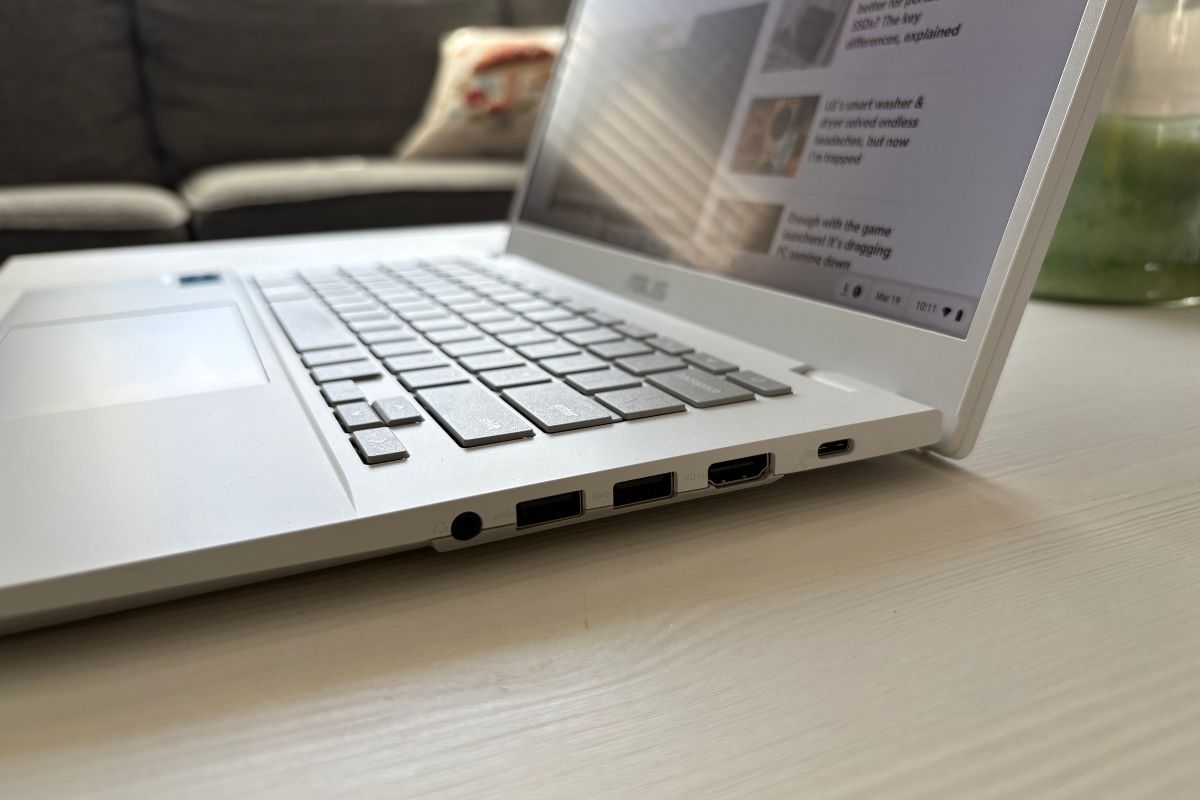
One clear advantage in several current models is the inclusion of multiple ports including USB C USB A HDMI and audio jacks. This selection addresses a common frustration with modern ultraportables that often require adapters for basic connections. For users who frequently present in meeting rooms or transfer files to external drives the design choice eliminates unnecessary accessories and potential points of failure.
Photographs of these ports underscore a return to practical hardware design at a time when many manufacturers have stripped laptops bare in pursuit of thinness. Whether this trend continues as manufacturers chase new efficiency standards remains to be seen.
Battery and Display Trade Offs
Despite manufacturer claims of extended runtime independent testing often shows that real world usage falls short of competitors especially under mixed workloads. Thirteen hours may sound adequate on specification sheets but heavy web use or video playback can cut that figure substantially leaving users hunting for outlets during long days.
Display choices also draw criticism. The 16:9 aspect ratio common in many models creates a cramped vertical workspace for document editing or research compared with taller 16:10 or 3:2 screens. For students annotating PDFs or professionals managing multiple windows this limitation can reduce productivity in subtle but cumulative ways.
Budget Options Highlight Ongoing Compromises
At the lower end the Asus Chromebook CX15 offers an attractive entry point with its large 15.6 inch 1080p screen decent audio and comfortable keyboard. Priced significantly below many alternatives it serves basic needs effectively for families and schools on tight budgets.
However the dual core processor struggles with anything beyond light tasks and the small touchpad frustrates precise navigation. These drawbacks illustrate the tight margins manufacturers face when trying to deliver acceptable experiences at rock bottom prices. Buyers must decide whether such compromises align with their intended usage or if spending a bit more yields better long term satisfaction.
Regulatory and Market Implications Ahead
As Chromebooks capture larger shares of education and government contracts questions about vendor lock in and data sovereignty grow louder. Policymakers in several regions have begun examining how reliance on single ecosystems affects competition and security. Meanwhile Google continues to invest in AI enhancements for ChromeOS though it remains unclear how effectively these features will run on midrange hardware without constant cloud connectivity.
The coming years will test whether Chromebooks can evolve beyond their current niche or if they will remain secondary devices for users who already live primarily in browser based applications. For now the recommendation depends heavily on specific requirements: strong for basic productivity and media consumption less ideal for creative work or offline heavy environments.